Behind this reputation of Honda lies decades of engineering evolution. From early plate-drum setups to today’s electronically controlled braking systems, Honda’s brake designs have disappeared through major renewals. Each generation indicates new safety flags, driver anticipations, and advancements in automotive electronics.
Early Honda Models
• Front disc brakes
• Rear drum brakes
• Single-piston floating calipers
• Vacuum-assisted brake supporter
These systems were natural, lightweight, and cheap to repair. The brake performance was enough for the small, inconsequential cars of the era. Rotor warping and drum clamor were common issues, but the plans were highly functional.
Technician’s note: These brakes rarely gave trouble except when neglected. Fluid flushes and brake shoe adjustments in shops like Auto Repair in San Jose, Ca are the main routine tasks.
The 1990s Model
Honda began improving brake systems considerably:
• More trims received rear plate brakes.
• Dual-piston calipers were imported in performance models.
• Rotor content increased as vehicles became more reliable and heavier.
• Better pad compounds enhanced fade resistance.
Honda also enhanced cooling efficiency by redesigning ventilation channels in rotors. These changes delivered more forceful and more consistent braking, particularly under high temperatures.
Technician’s note: This era was a turning point. Brake feel became particularly sharper, and Honda began closing the gap accompanying sportier European brands.
Model Before the 2000’s
• Standard ABS
• Electronic Brake Distribution (EBD)
• More sophisticated master cylinders
• Larger rotors and calipers for better stopping distances
EBD in particular was a game-dealer. It automatically switched braking force between the front and rear wheels depending on the vehicle load. This considerably reduced rear-wheel lockup during unexpected stops.
Technician’s note: ABS-related repairs by experts like GIC Car Clinic are becoming more common.
2010–2015 Model
As Honda moved toward modern convenience and automation, major changes came:
- Brake Hold & Hill Assist Features
These faces relied heavily on improved brake modulators and improved hydraulic control.
- Larger, more heat-opposing rotors
For heavier automobiles like SUVs, Honda began utilizing:
• Thicker rotors
• More durable coatings
• High-performance pad materials
These systems demand calibration and “duty mode” initiation before rear pad replacement by experts like GIC Car Clinic.
2016–Present
Modern Honda vehicles equipped accompanying Honda Sensing have braking systems that are more joined than ever. Braking feels smoother on hybrids, but the systems are complex. Wear patterns clash with traditional brakes, and diagnosing pedal feel issues demands understanding the interaction between hydraulic and regenerative arrangements.
Conclusion
Honda’s brake systems have developed from simple, mechanical components to sophisticated, electronically controlled safety schemes. Each generation has produced improvements in staying power, stability, and driver confidence.
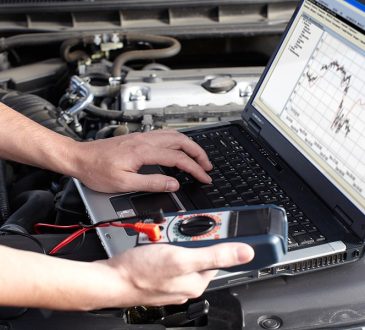
For technicians, the journey has fluctuated from hands-on machine-like adjustments to progressive diagnostics and measurement work. For Honda owners, this progress means more reliable driving, better act, and longer-lasting brake components—provided they are fixed with the accuracy these systems demand.