Steering wheel binding can make driving difficult and unsafe. It happens when the steering wheel feels stuck or hard to turn. This problem affects steering control and increases driver effort. Understanding why binding occurs helps in finding the right fix. Professional service centers provide tiered solutions for steering issues. These tiers allow clients to select the right level of service. This article explains common causes of binding and how service tiers solve the problem.
Initial Inspection and Lubrication
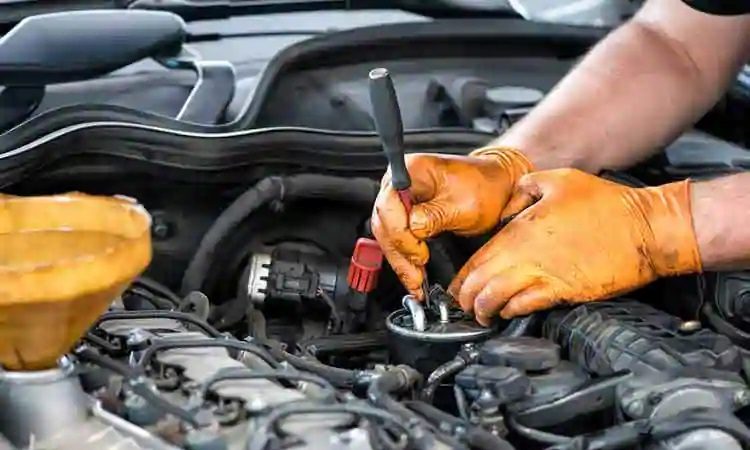
The first service tier starts with a detailed inspection and lubrication. Technicians check the steering column for dirt, rust, or debris. Dirt buildup or rust causes friction that leads to binding. Lubrication reduces this friction and helps the steering wheel turn smoothly. This service suits drivers who experience mild stiffness. Early lubrication prevents more serious problems and keeps the steering easy to use. It is a simple but effective way to restore steering comfort. This tier saves money by addressing small issues before they grow.
Steering Linkage Adjustment
The second tier involves adjusting the steering linkage and related parts. Misaligned or loose linkage causes uneven steering resistance and binding. Technicians measure and adjust these components for proper alignment. Correcting misalignment improves steering feel and reduces effort. This service is best for drivers with noticeable stiffness or tight spots. It offers a more precise fix than simple lubrication. Adjusted linkage restores better control and enhances safety on the road. This tier shows the importance of regular steering system checks. Look for the Auto Repair in Redding, CA based service here.
Component Repair and Replacement
The third tier addresses worn or damaged steering parts. Binding often results from faulty bearings, joints, or bent shafts. Technicians inspect these components and replace any that are worn or broken. New parts allow smooth rotation and eliminate binding points. This service is ideal for older vehicles or those with accident damage. Repair or replacement brings the steering back to proper working order. It is a necessary step for maintaining vehicle safety and comfort. This tier involves more work but delivers lasting results.
Hydraulic Power Steering Service
The fourth tier focuses on the hydraulic power steering system. Low fluid levels, leaks, or pump failure reduce steering assistance. This causes the wheel to bind or feel heavy during turns. Technicians check fluid condition and system pressure to find issues. They refill fluids, repair leaks, or replace pumps as needed. Proper hydraulic function makes steering easier and prevents binding. This service is essential for vehicles with power steering problems. It improves driver comfort and prolongs the life of the steering system. This tier handles more complex problems related to steering effort.
Steering wheel binding occurs due to friction, misalignment, worn parts, or hydraulic failure. Early inspection and lubrication stop minor issues from worsening. Linkage adjustment corrects tension and alignment problems. Repair or replacement fixes damaged or worn components. Hydraulic service restores fluid pressure and steering assistance. Full calibration guarantees smooth operation and long-term reliability. Service tiers guide clients through escalating care options. Professional solutions make steering safer and easier. Regular maintenance helps avoid discomfort and dangerous steering conditions caused by binding.