What Mechanics Look for During a Car Differential Fluid Checkup

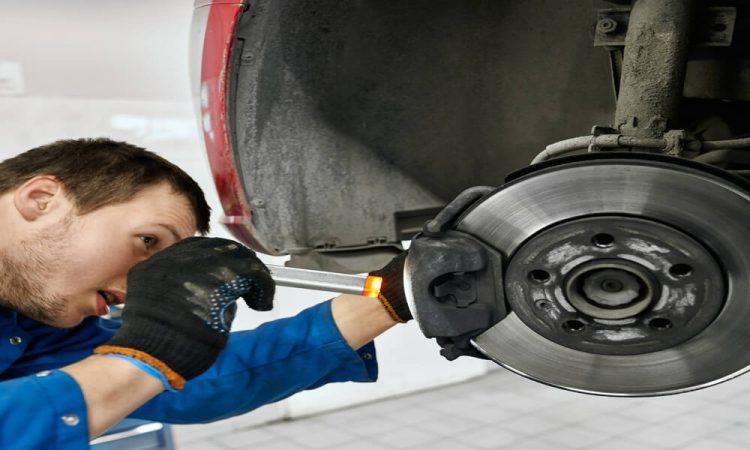
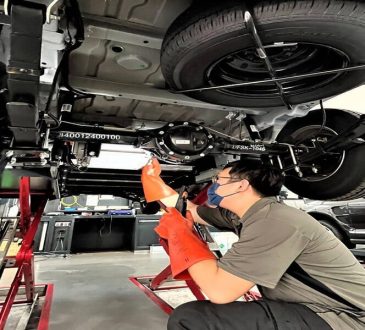
The car differential remains a vital component for smooth cornering. It allows the wheels to rotate at different speeds during turns. However, many drivers overlook the maintenance of this complex gear system. Proper lubrication prevents heavy metal components from grinding against each other. Mechanics follow a strict protocol to ensure your vehicle stays healthy. A visit to the Z Auto Service provides peace of mind for every driver. Specialists examine the fluid to detect early signs of mechanical failure.
Evaluating the Fluid Color and Clarity
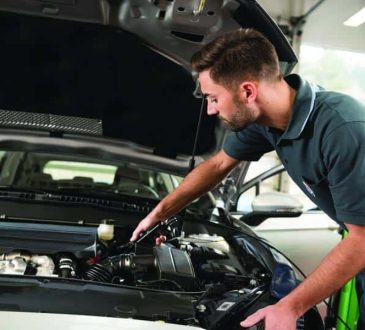
The technician first removes the fill plug to inspect the oil. New differential fluid usually looks clear with a golden hue. Dark or black liquid often indicates high heat exposure. This thermal breakdown reduces the protective qualities of the lubricant. Now the gears face increased friction during every single turn. Sometimes the fluid appears milky or cloudy instead of clear. This specific color change suggests water has entered the housing. A professional Z Auto Service identifies these issues before damage occurs. The technician checks the vent tube for any clovers or blockages.
Searching for Metallic Debris and Contaminants
Mechanics pay close attention to the texture of the old oil. They often use a magnetic drain plug to catch particles. Small amounts of fine metallic dust are normal for older cars. But large metal flakes indicate a serious internal gear problem. These fragments act like sandpaper inside the sensitive housing unit. The grit eventually destroys the smooth finish on the metal surfaces. So the mechanic rubs the fluid between two gloved fingers. This tactile test reveals hidden grit that the eye misses. The Auto Repair in Englewood, CO experts look for these warning signs.
Assessing the Unique Scent of the Lubricant
The smell of the oil tells a very long story. Healthy gear oil has a strong and distinct chemical odor. But a burnt smell points toward extreme overheating inside the unit. This scorched scent means the additives have failed completely. Now the metal parts are likely touching without a barrier. The thick oil loses its ability to carry heat away. High temperatures then warp the delicate shims and heavy bearings. The mechanic uses their nose to gauge the internal health. Proper ventilation in the shop helps them distinguish subtle smells.
Examining the Condition of the Differential Housing
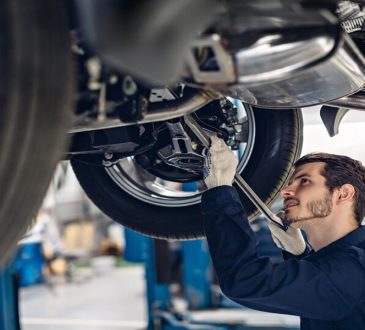
The exterior housing protects the gears from road debris. Mechanics look for cracks or rust on the metal shell. Impact damage from rocks can cause slow and steady leaks. The mounting bolts must remain tight to prevent any vibrations. Excessive vibration leads to premature wear on the internal bearings. You might hear a humming sound while the car accelerates. This noise often starts when the fluid gets too low. The technician checks the entire assembly for any loose parts. They clean the area to spot fresh leaks more easily.