The crate showed up on a Thursday. My buddy had been waiting three weeks for it, had cleared the garage, had a case of beer in the fridge for the friends he was sure would have it running by Sunday. By the following Wednesday the car was still on stands, the beer was gone, and he had learned more about wiring harnesses than he ever wanted to know.
His engine was fine. The engine is almost always fine. What got him was everything around it, the small stuff nobody warns you about until you are standing over an open bay wondering why a connector that looks right will not seat. That swap taught a set of lessons the expensive way, and they are worth passing along before someone else relives them.
The harness was the whole story
He assumed the engine and his car would speak the same language. They did not, quite. The imported unit came wired for a chassis it was never going into, and the differences were subtle enough to look compatible and real enough to stop everything cold.
A sensor here read differently. A plug there had one extra pin. None of it was catastrophic, but all of it had to be sorted before the thing would even crank, and sorting it meant a wiring diagram, a multimeter, and a weekend he had not budgeted. The lesson landed hard: the engine is the easy part. The harness, the sensors, and the electronics are where a swap actually lives or dies.
He bought on the headline, not the code
He wanted a specific engine because of what it represented. The reputation, the sound, the badge appeal. So he bought the famous name and worried about fitment later.
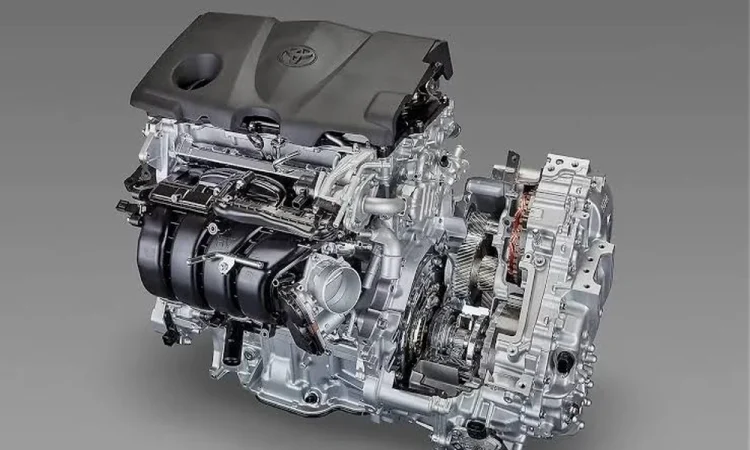
Later arrived fast. Within the broad family of Toyota JDM engines sit meaningful variations, different management, different accessories, different mounting details, and the version he got was not quite the version his build assumed. It ran beautifully once sorted. But the week of sorting existed only because he matched a name instead of a code. Match the exact engine code to your project first. The romance can wait until it is bolted in.
Nobody checked the mounts until it was too late
This one is almost funny in hindsight. The engine hung from the hoist, perfectly poised over the bay, and the mounts did not line up. Close, but not bolt-up close.
He had spent so long thinking about compression and mileage that the physical question of how the thing attaches to the car never crossed his mind. Brackets differed. A mount had to be sourced. Another half-week vanished. The fix was cheap once he knew what he needed, which made it sting more, because five minutes of checking before the engine arrived would have saved days after.
The “tested” sticker did not mean ready
The listing said tested. He took that to mean install-and-go. So he skipped his own compression check, dropped it in, and only later wished he had pulled the valve covers first.
The engine was healthy, as it turned out. But it had crossed an ocean and sat in a warehouse, and seals that were fine in Japan deserved a look before installation. He got lucky. Plenty of people in the same spot do not, and they blame the engine for a problem a basic inspection would have caught. Verify it yourself. The seller’s test tells you it ran. Your test tells you it is ready.
He tried to do it alone
Pride, mostly. He had watched the videos and figured a swap was just careful disassembly and reassembly. For a lot of it, he was right.
Where he was wrong was the import-specific stuff, the quirks that someone who has done a Toyota swap before would have flagged in thirty seconds. The thing about the Supra-derived hardware, the small electronic gotcha, the bracket everyone forgets. A single phone call to someone experienced would have erased two of his lost days. The engines have well-known swap personalities, and the knowledge is out there for free if you ask before you are stuck.
The budget was for the engine, not the project
He had a number in his head, and the number was the price of the engine. Everything else was an afterthought he assumed would be trivial.
It was not. The wiring work needed connectors and pins he did not have. The mount situation needed a bracket he had to order. Fluids, gaskets, a couple of hoses that were not worth reusing, a sensor he cracked during install: none of it was expensive alone, but together it added up to a meaningful fraction of what the engine itself cost. He finished the swap convinced that the engine price is the start of the budget, not the whole of it. A realistic plan sets aside a cushion for the parts and consumables a swap always seems to need, because the bay never goes back together with exactly the pieces that came out of it.
The same went for tools. A swap surfaces the gap in anyone’s toolbox fast, and the run to buy a puller or a torque wrench at the worst possible moment is its own small tax. Borrow or buy what the job needs before you start, not at hour twenty with the engine hanging.
What the whole ordeal actually proved
Here is the part that surprised him. After all of it, the harness battles and the mount scramble and the lost week, the swap was a success. The car ran, ran well, and is still running. The engine delivered exactly what he hoped.
Every problem he hit was an integration problem, not an engine problem. The imported unit did its job. He just learned, in real time and at the cost of a weekend he will never get back, that buying a good engine is maybe forty percent of a successful swap. The other sixty is the planning, the verification, and the unglamorous fitment work that no spec sheet mentions and no hype video dwells on.
If you are about to do your first one
Take the lessons without the tuition. Match the engine code to your exact build before you buy. Sort out the harness and electronics plan before the crate arrives, not after. Confirm the mounts and brackets line up. Do your own compression check no matter what the listing promised. And call someone who has done your specific swap before you turn a wrench, because thirty seconds of their experience beats thirty hours of yours.
The engine you order will probably be great. The cars built around these engines, from the Supra down to the humble Corolla, have earned their reliability honestly, and a low-mileage import tends to live up to it. What will make or break your weekend is everything you do before and around the install. My buddy got there in the end, and he would tell you the same thing he tells everyone now: respect the integration, and the engine takes care of itself.