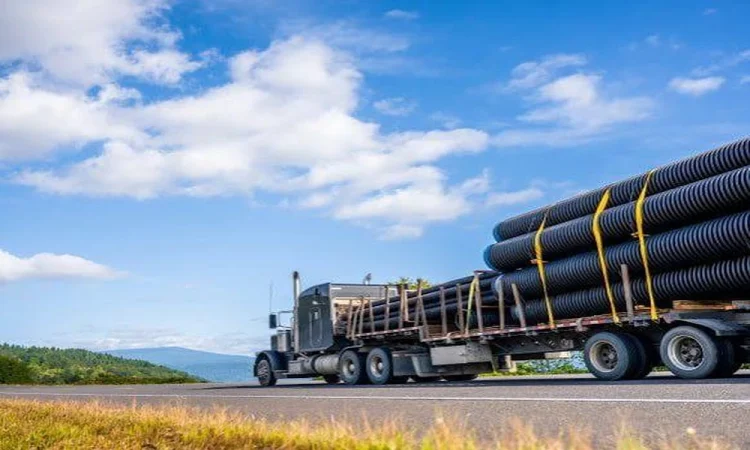
Hauling oversized freight is a demanding responsibility that requires preparation, technical knowledge, and sound decision-making. Unlike standard cargo, oversized loads often involve additional regulations, specialized equipment, and greater safety considerations. Drivers must be equipped with the right skills to transport these loads safely while minimizing risks to people, property, and the cargo itself. Developing practical driving abilities before accepting oversized freight assignments contributes to smoother and more efficient operations.
One of the best ways to prepare for oversized freight transportation is by continually developing the Skills Drivers Need Hauling Insights that experienced professionals rely on every day. These include understanding load securement principles, anticipating road hazards well in advance, communicating effectively with escort teams, and adapting driving techniques to changing conditions. Building these practical skills before taking on oversized loads not only improves safety and regulatory compliance but also helps drivers complete deliveries more efficiently while protecting valuable cargo.
Learn the Characteristics of the Load
Every oversized shipment is different. Before starting the journey, drivers should understand the load’s dimensions, weight, and balance. Knowing these details helps determine the safest driving techniques and identifies any route restrictions that may affect the trip.
Reviewing cargo information in advance also allows drivers to prepare for unusual handling requirements during transport.
Practice Careful Vehicle Control
Oversized loads can significantly affect how a truck responds when accelerating, braking, or turning. Drivers should be comfortable controlling the vehicle in different traffic and road conditions.
Key driving practices include:
- Maintaining steady speeds
- Allowing extra braking distance
- Taking wider turns when necessary
- Avoiding sudden steering movements
Smooth vehicle control improves stability and reduces unnecessary stress on the cargo.
Plan the Route Thoroughly
Careful route planning is essential before transporting oversized freight. Drivers should study the planned route to identify restrictions and potential hazards before departure.
Important considerations include:
- Bridge clearance heights
- Weight-restricted roads
- Construction zones
- Narrow intersections
- Areas with heavy traffic
Planning reduces unexpected delays and helps maintain a safer journey.
Strengthen Observation Skills
Drivers hauling oversized loads must constantly monitor their surroundings. Watching mirrors, checking blind spots, and observing changing traffic conditions help prevent accidents and improve overall awareness.
Remaining alert also allows drivers to respond quickly to pedestrians, cyclists, road hazards, or sudden traffic changes.
Communicate Effectively Throughout the Trip
Oversized freight transportation often involves coordination with dispatchers, escort vehicle operators, and logistics teams. Clear communication helps ensure everyone understands the current route, traffic conditions, and any unexpected situations.
Promptly reporting delays or road concerns allows the support team to make informed decisions and adjust plans when necessary.
Prepare for Changing Road Conditions
Weather and road conditions can change quickly during long-distance transportation. Rain, strong winds, or reduced visibility may require drivers to slow down or modify their driving approach.
Remaining patient and adjusting driving techniques according to road conditions helps maintain safety throughout the trip.
Perform Complete Pre-Trip Inspections
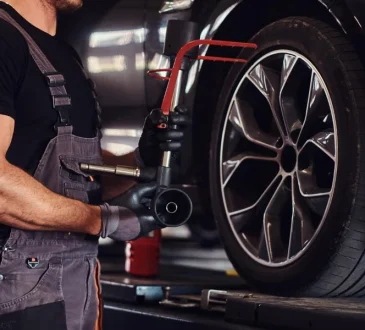
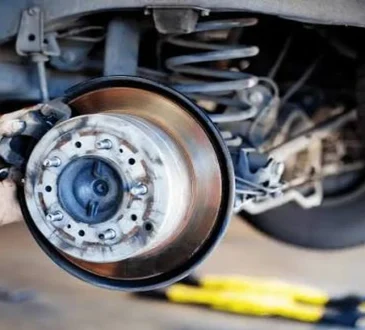
Before leaving, drivers should inspect both the truck and the cargo securement system. Checking tires, brakes, lights, mirrors, and tie-down equipment helps identify potential issues before they become safety hazards.
A thorough inspection also provides confidence that the vehicle is ready for the demands of oversized freight transportation.
Continue Improving Professional Skills
Safe oversized hauling requires continuous learning. Participating in refresher training, reviewing updated transportation regulations, and gaining practical experience help drivers strengthen their knowledge and improve overall performance.
Staying informed about industry best practices supports safer operations and greater confidence behind the wheel.