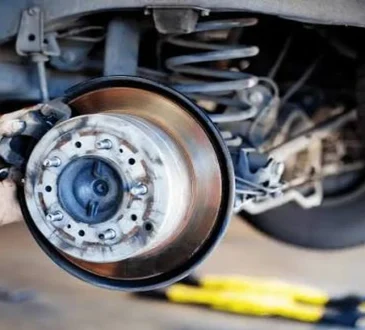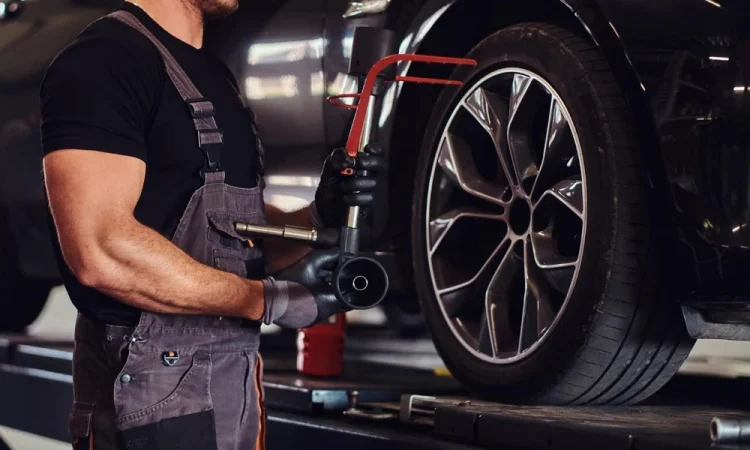
When a car dips forward during braking, the movement can feel sudden and uncomfortable. The front suspension carries greater pressure whenever braking force slows the vehicle. Now this movement can become more noticeable when suspension components lose their proper control. Worn shocks can allow excessive movement during normal braking conditions. Weak springs can also change how the vehicle handles weight transfer. The braking system itself can contribute when stopping becomes uneven or unstable. A professional inspection from Auto Repair in Mandan, ND service can reveal whether suspension components need attention.
Weight Transfer Creates Natural Forward Movement
Braking naturally shifts the vehicle’s weight toward the front wheels. This happens because the vehicle continues moving forward while braking force reduces speed. The front suspension therefore receives greater downward pressure during sudden stops. A small amount of forward dipping is normal during controlled braking. However, excessive dipping can indicate reduced suspension control or another mechanical concern. The suspension should manage this weight transfer without creating dramatic body movement. Good shock absorbers control how quickly the suspension compresses under braking pressure.
Worn Shock Absorbers Can Increase Front End Dipping
Shock absorbers play an important role in controlling suspension movement during braking. Their internal components help prevent excessive compression after braking forces reach the wheels. When shocks become worn, the front suspension can compress too easily. The vehicle may then dip noticeably whenever braking force increases suddenly. This problem can also create repeated bouncing after the initial braking movement. Uneven control may make the vehicle feel less settled during normal road conditions. A technician at Lincoln Repair can inspect shock condition and identify signs of wear. Proper diagnosis can separate suspension problems from brake related concerns.
Weak Springs Can Change How the Vehicle Settles
Suspension springs support the vehicle body while controlling its overall ride height. When springs become weak, damaged, or fatigued, front suspension behavior can change. The weakened spring may allow greater compression when braking transfers weight forward. This can make the vehicle appear to dive more deeply toward the road. Spring problems may also create uneven ride height between different sides. The vehicle could feel less balanced when entering corners after braking. Lincoln Repair can examine spring condition while checking surrounding suspension components carefully.
Why Professional Inspection Matters
Forward dipping can become more concerning when accompanied by other handling changes. Steering instability can suggest that suspension or steering components require closer inspection. Uneven tire wear may also indicate problems with suspension alignment or control. Strange knocking sounds can provide additional clues about worn suspension components. The vehicle may also feel unstable after braking over uneven road surfaces. These symptoms should receive attention because suspension condition affects overall driving behavior. Lincoln Repair can inspect the suspension and braking systems to identify underlying mechanical issues. A proper inspection can determine whether repair or component replacement is necessary.